Sophia guild

About Me
Hey all! I'm an incoming first-year at Harvard who loves creating everything from games to memories. I enjoy leading projects that bring creativity, ethics, and accessibility together, and I aspire to make technology more human-centered.In my free time, I enjoy making video games and organizing game jams. During high school, I led the Robotics and Math teams and helped host a student podcast. When I'm not working on a project, I enjoy solving math puzzles, journaling, and reading nonfiction.
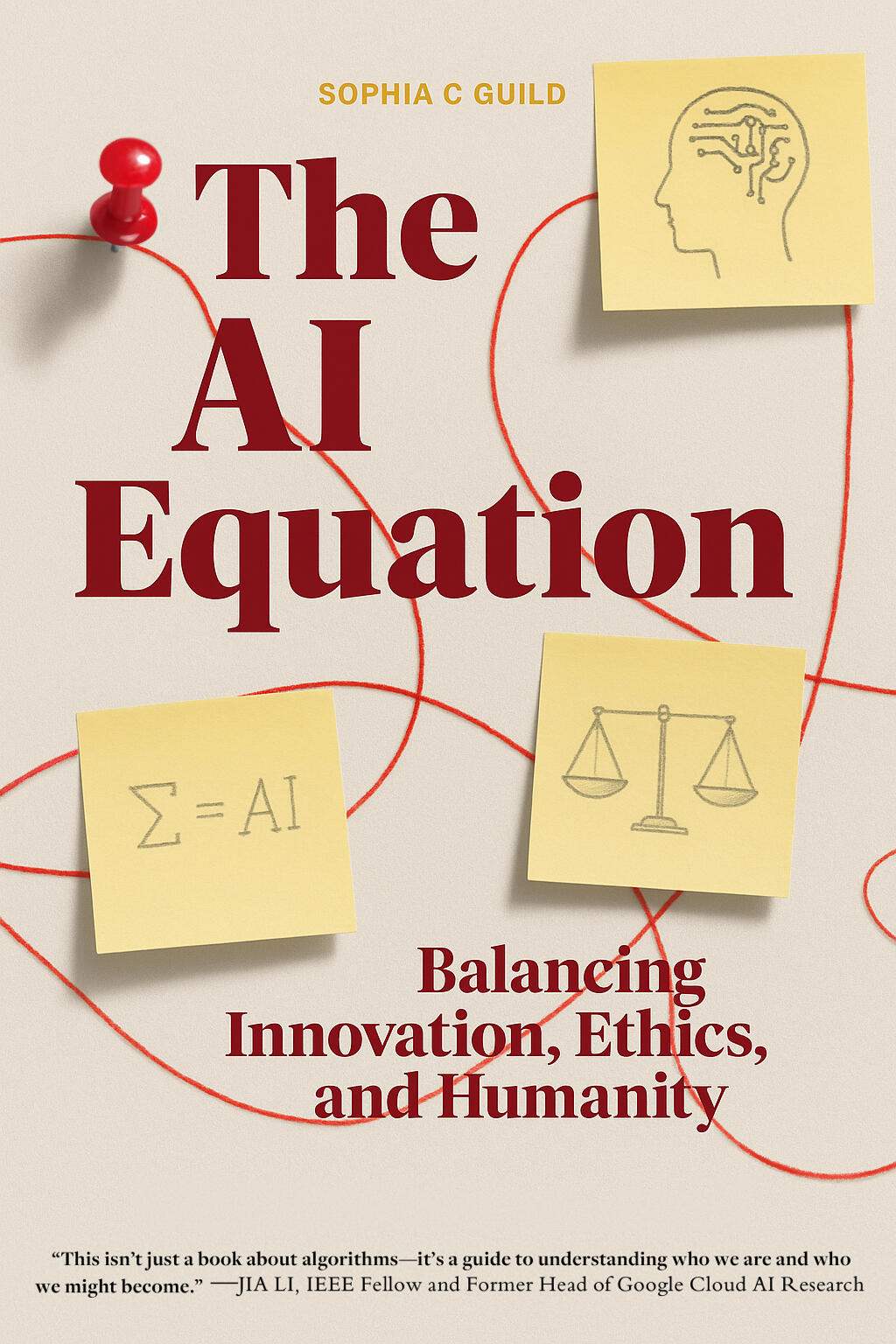
The AI Equation
Balancing Innovation, Ethics, and Humanity
"This isn’t just a book about algorithms, it’s a guide to understanding who we are and who we might become.”
— Jia Li, IEEE Fellow and Former Head of Google Cloud AI Research
FEATURED PROJECTS
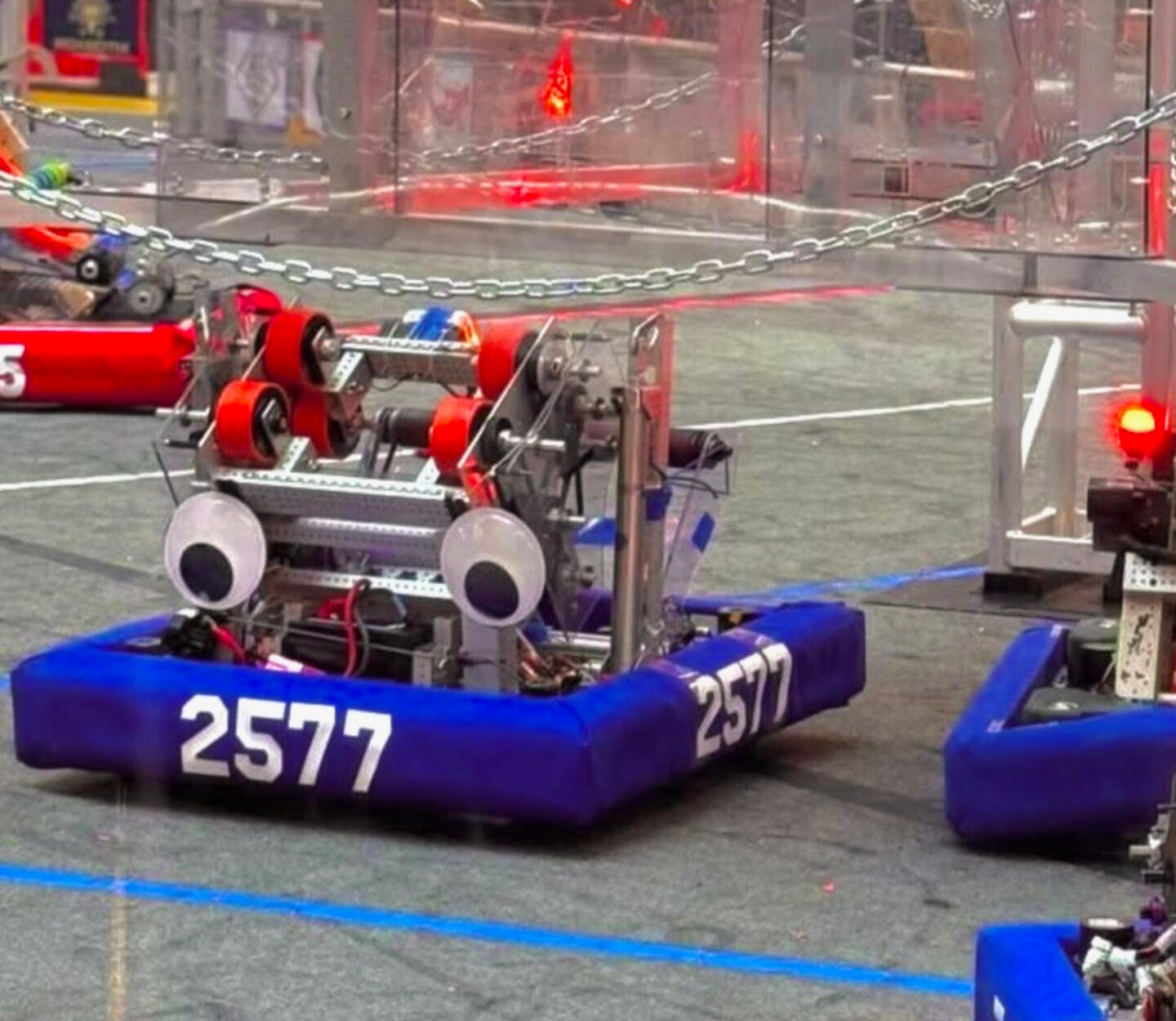
From games to googly-eyed robots

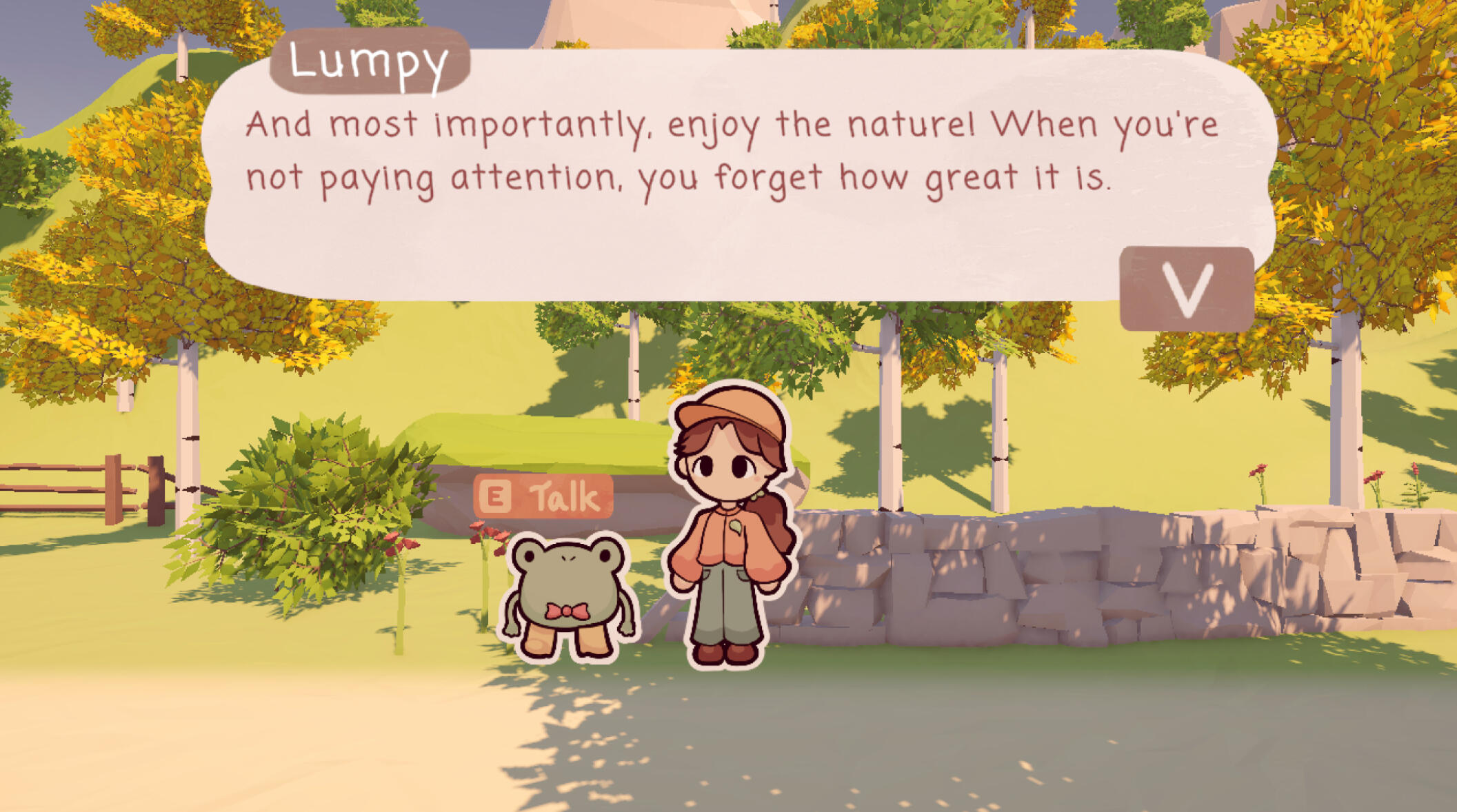
To Turn a New Leaf

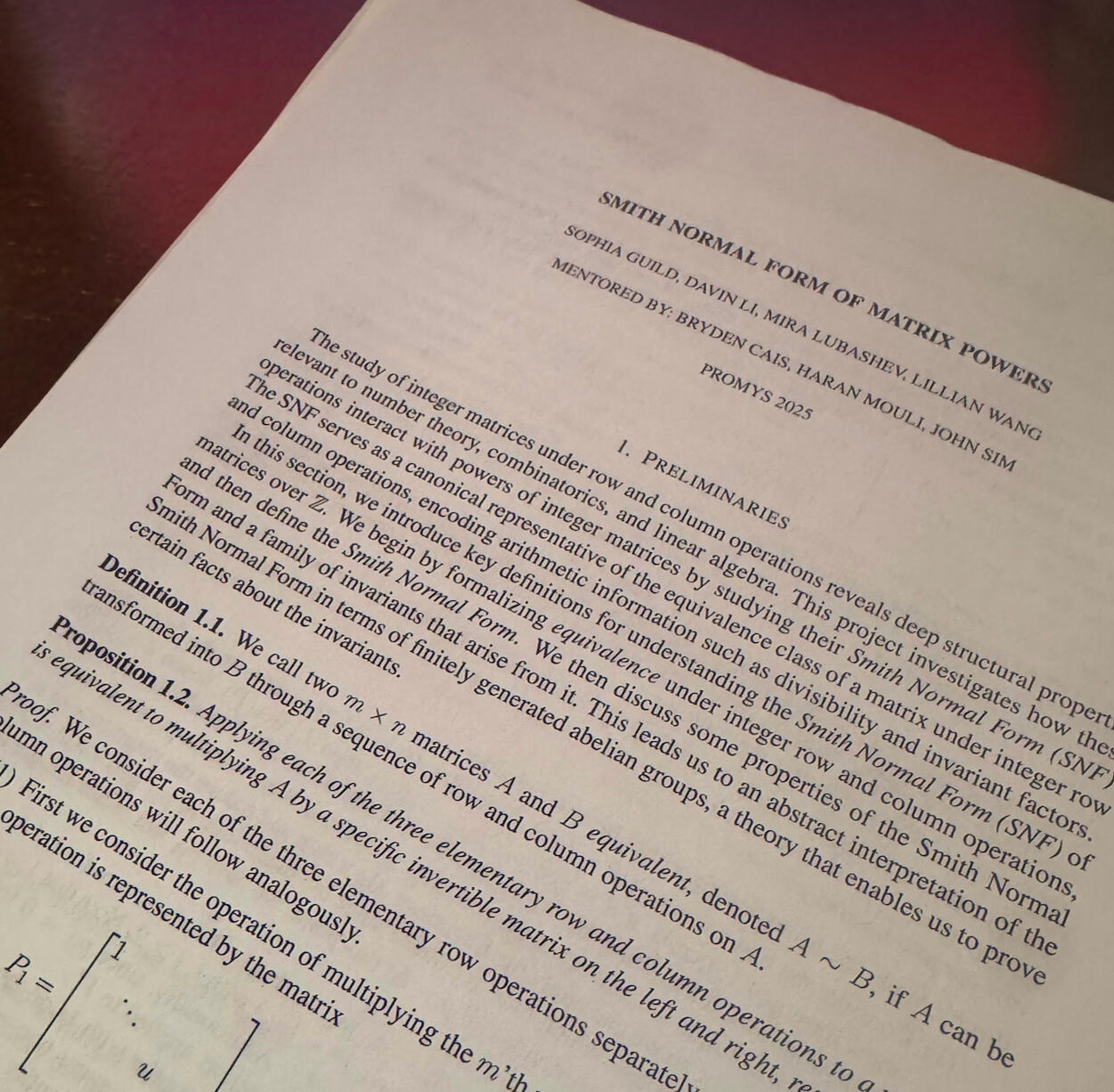
Smith Normal Form of Matrix Powers

FTC Team 6069 + FRC Team 2577

The Peer2Peer Podcast

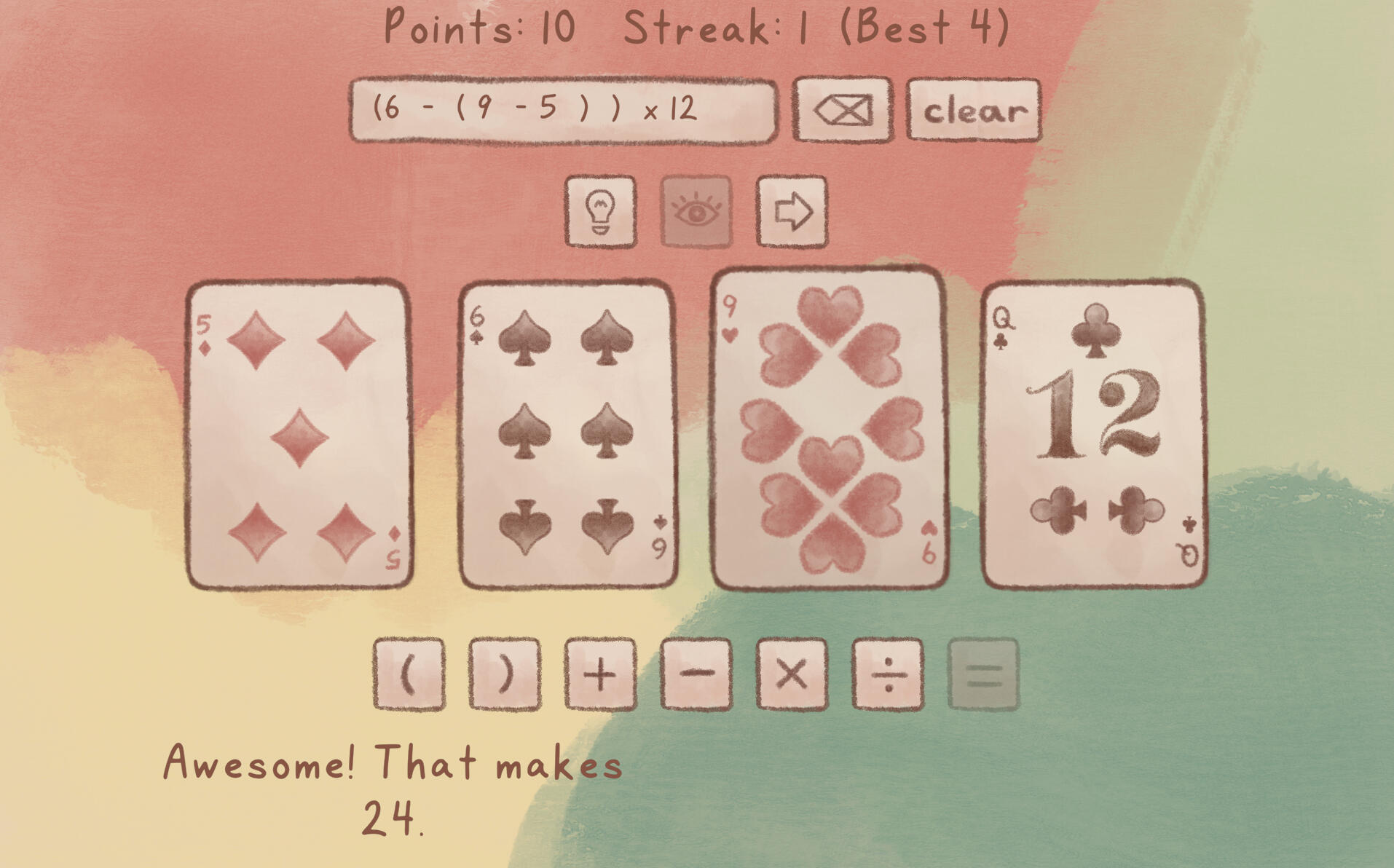
Unpolished Game jam
A game jam for anyone and everyone who wants to try game development regardless of experience. Here, imperfection isn't just allowed, but encouraged. Embrace your humanity to create something, faults and all!
Past Submissions

500 creators have created 150+ games
OPhi Game studios
Public Speaking
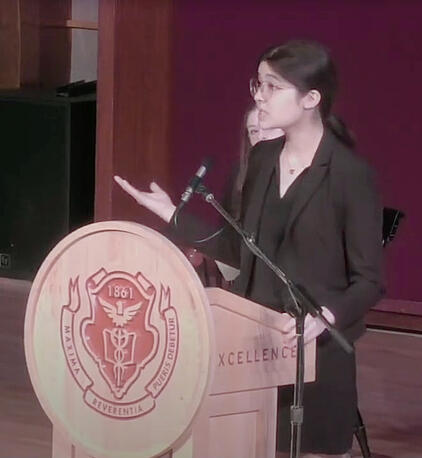
Lebow Oratorical Competition 2024An exploration of the stigma surrounding AI in schools, encouraging us to see technology not as a threat, but as a tool for deeper learning.
How to win the game of life


Lebow Oratorical Competition 2025A reflection on how hustle culture turns life into an unwinnable game, reminding us to slow down and redefine success beyond achievement.
Math Research
Riffle Shuffles: Orders, Cycles, and an Optimal 52-Card Construction • PROMYS 2024
Mehrotra, Guild, Chamadia, Knutson, and FlaxWe model perfect 𝑛-handed riffle shuffles as multiplication by 𝑛 in 𝑍/(𝑘𝑛−1), proving that the shuffle order equals the order of 𝑛 in that group and deriving concrete orders for common deck sizes (e.g., 2𝑘). For imperfect shuffles, we show decompositions into disjoint cycles and that the overall order is the lcm of cycle lengths. We also give an algorithm to construct “high-order” imperfect shuffles and exhibit an optimal order 180,180 for a 52-card deck.
Smith Normal Form of Matrix Powers • PROMYS 2025
Guild, Li, Lubashev, Wang,
Mentored by Prof. Bryden Cais (University of Arizona)We study how the Smith Normal Form behaves under matrix powers, developing invariants via determinantal divisors and compounds, proving divisibility/multiplicativity results, and formulating a periodicity conjecture for the Smith factors of 𝐴𝑚. For 2×2 matrices, we give concrete techniques (prime reduction and localization) and work through examples that illustrate when periodicity occurs. Complete proof under internal review; presenting at JMM 2026
Neural Differential Equations: Theory and Applications
Zhou-Zheng, Brisson, Guild, LuoAn accessible survey of neural ODEs that treats deep networks as continuous-time flows, covering core theory (vector fields, adjoint method, stability/solvers), implementation considerations, and worked examples. We highlight applications to physical systems, financial time series, and traffic flow, aimed at readers with ODEs, single-variable calculus, and basic partial differentiation.